

Israel Reviving Proxy Terror Networks in Southeast Iran After Failing in 12-Day Conflict
In the wake of the Israeli regime’s failure to counter Iran’s decisive response during the 12-day conflict, new Israeli efforts to reorganize terrorist groups in Eastern Iran have begun—an attempt aimed at creating insecurity and preoccupying Iran. However, this plan is heading toward failure due to the intelligence dominance of Iranian security forces and the cooperation of the people of Sistan and Baluchestan.
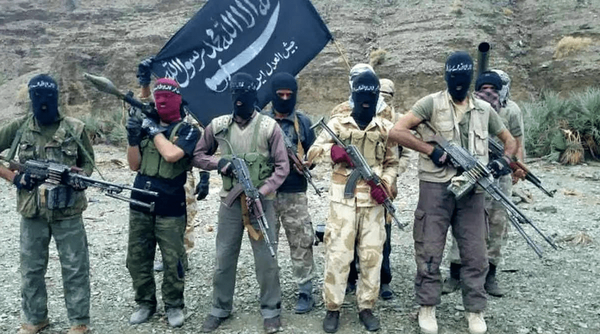
According to Fars News Agency, Israel has once again turned to its long-used tactic of employing terrorist groups and rented networks in Eastern Iran to foment instability. Recent movements along Iran’s Southeastern borders—particularly attempts to organize and consolidate Baloch terrorist groups—fit squarely into this approach, designed to give a new façade to the same outdated and baseless network that has long operated under various names against Iran’s national security.Officials had previously reported suspicious movements by individuals linked to foreign intelligence services in the Eastern border regions. Meanwhile, remarks by a commander of the group known as Jaish al-Adl about merging Baloch terrorist factions indicate that a new project is taking shape. A review of these groups’ histories shows that renaming does nothing to change their nature, a fact well understood by local residents.Documents and evidence reveal that over the past year, whenever tensions have risen between Iran and the Israeli regime or when Israel has faced operational crises, Jaish al-Adl has significantly increased its activities in an attempt to keep Iran occupied on another front.Bitter experiences of regional communities with these groups—such as attacks on civilians and judicial staff, assaults on construction machinery, and destruction of public property—have left them with no local support.
Neither the people nor the prominent scholars of Sistan and Baluchestan recognize these groups as representatives of Baloch demands. Instead, they are widely viewed as security disruptors, foreign agents, and bandits with no respect or commitment toward the local community. This damaging track record explains their recent attempts to alter their external image.In the months following Iran’s forceful retaliation to Israeli aggression, Mossad has launched a renewed effort to recruit non-local elements, hired mercenaries, and even remnants of Daesh. The goal has been to assemble a fabricated structure called the “United Baluchistan Front” — a label intended to suggest a broad ethnic or regional movement, though it has no roots in the social reality of Baluchestan.According to informed sources, the mission assigned to this group includes creating insecurity, attacking infrastructure, targeting border guards, and spreading fear among border communities. However, Iranian security authorities have emphasized that Iran maintains full and continuous intelligence control over the Southeastern border region.
14:02 - 9 آذر 1404